


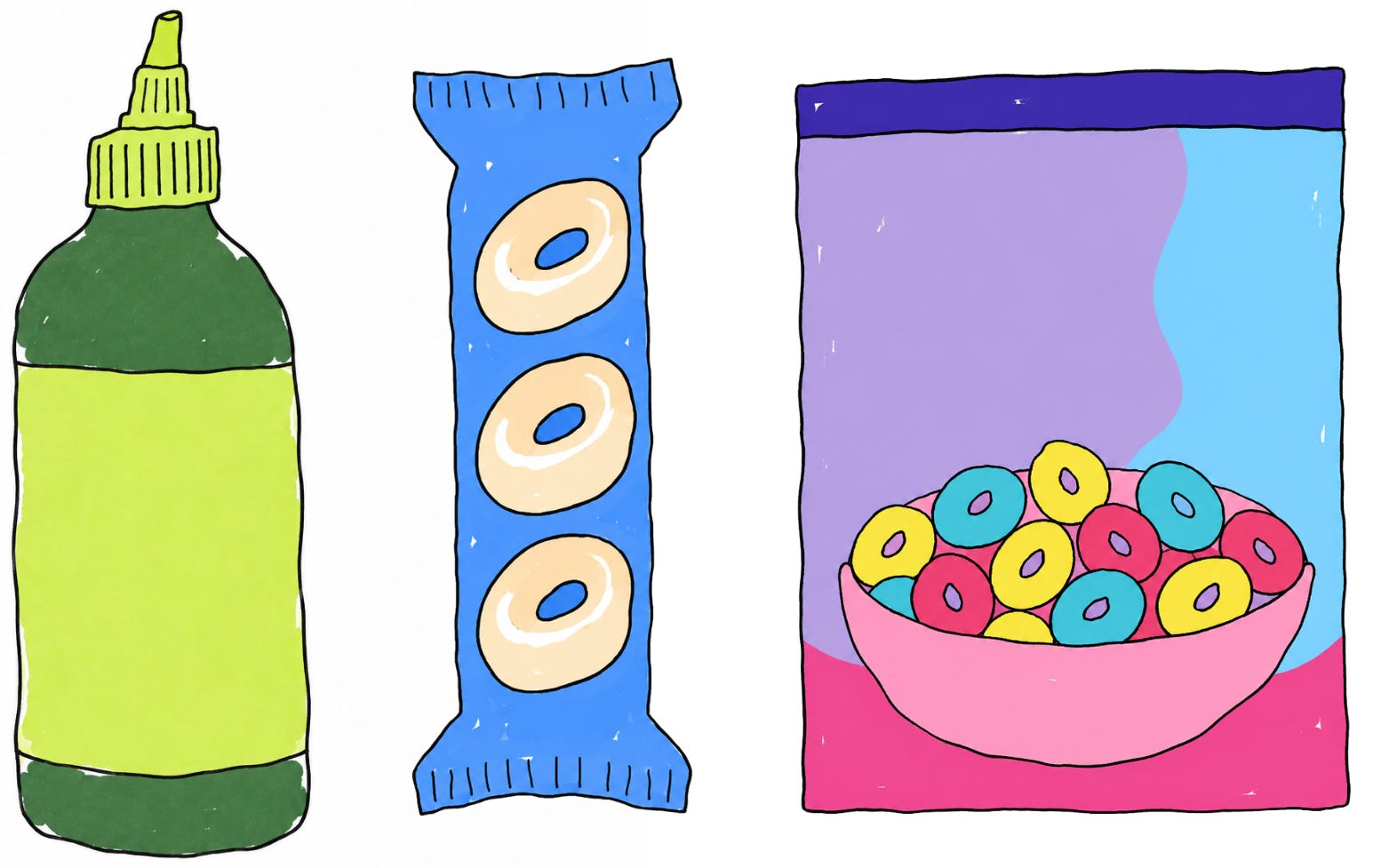
Earlier this week, New York Magazine wrote about the agencies that will be working bringing to life Mayor Mamdami’s city-run grocery stores, their headline was a total clickbait “Graza Olive-oil People are Designing Mamdami’s New Groceries.” Who they are actually talking about is Gander, not Graza, but used it as a way to spark controversy, knowing just how divisive the brand can be in public opinions around olive oil and plastic, and as an example of this new era of yassified premium groceries. Based in Brooklyn, Gander has been the brain behind a new wave of iconic pantry staples like Graza, Yellow Bird and Magic Spoon, though according to New York Magazine, that experience may not be enough—
“Gander was cited for its ‘deep expertise in the grocery space,’ but apart from its branding work for products that end up on millennials’ shelves, its experience is limited to Pop Up Grocer, which builds spaces that feel like high-fashion boutiques designed to highlight odd products, including mushroom chocolates and antelope-liver supplements.”
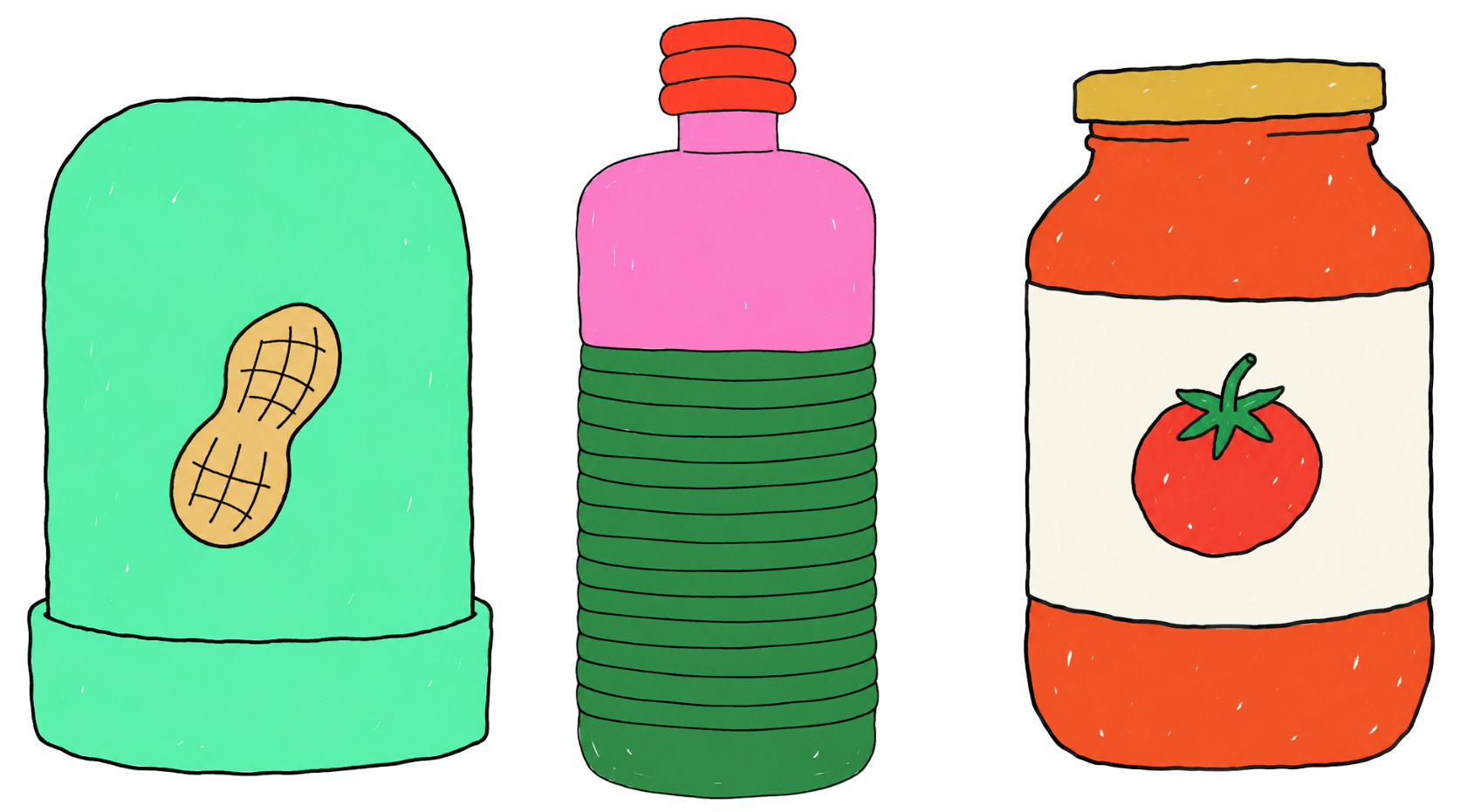
One would think that creating branding that can translate into mainstream retailers and grocery stores across the entire country would give Gander the qualifications of helping bring Mamdami’s vision to life. The article also alludes to the visuals one can conjure when talking about anything government related—
“Even if you’re a believer in Zohran Mamdani’s pilot plan for city-owned grocery stores, you may not be able to avoid the images that term conjures, of dingy gray Soviet commissaries or the scuffed linoleum of a 1980s DMV office.”
noting that focusing on branding is odd for a government store that should be focused on cutting out the middleman and not fancy branding. So it poses the question, who is entitled to beautiful groceries, is it only fair for those who can pay premium to have premium aesthetics as well? As someone who heralded the yassification of the grocery store, led by equal parts Millennial and GenZ founders, I’ve written about how our influence eventually led to a beautification of private label, from Target to Walmart and Trader Joe’s, even these massive retailers have realized that budget can also be beautiful—Walmart even went as far to create a whole new GenZ focused private label that leaned more heavily on popping contrasting colors, Target has their own dupe of Poppi, and Trader Joe’s is doing protein pancakes, still providing elevated experiences at less of a price.
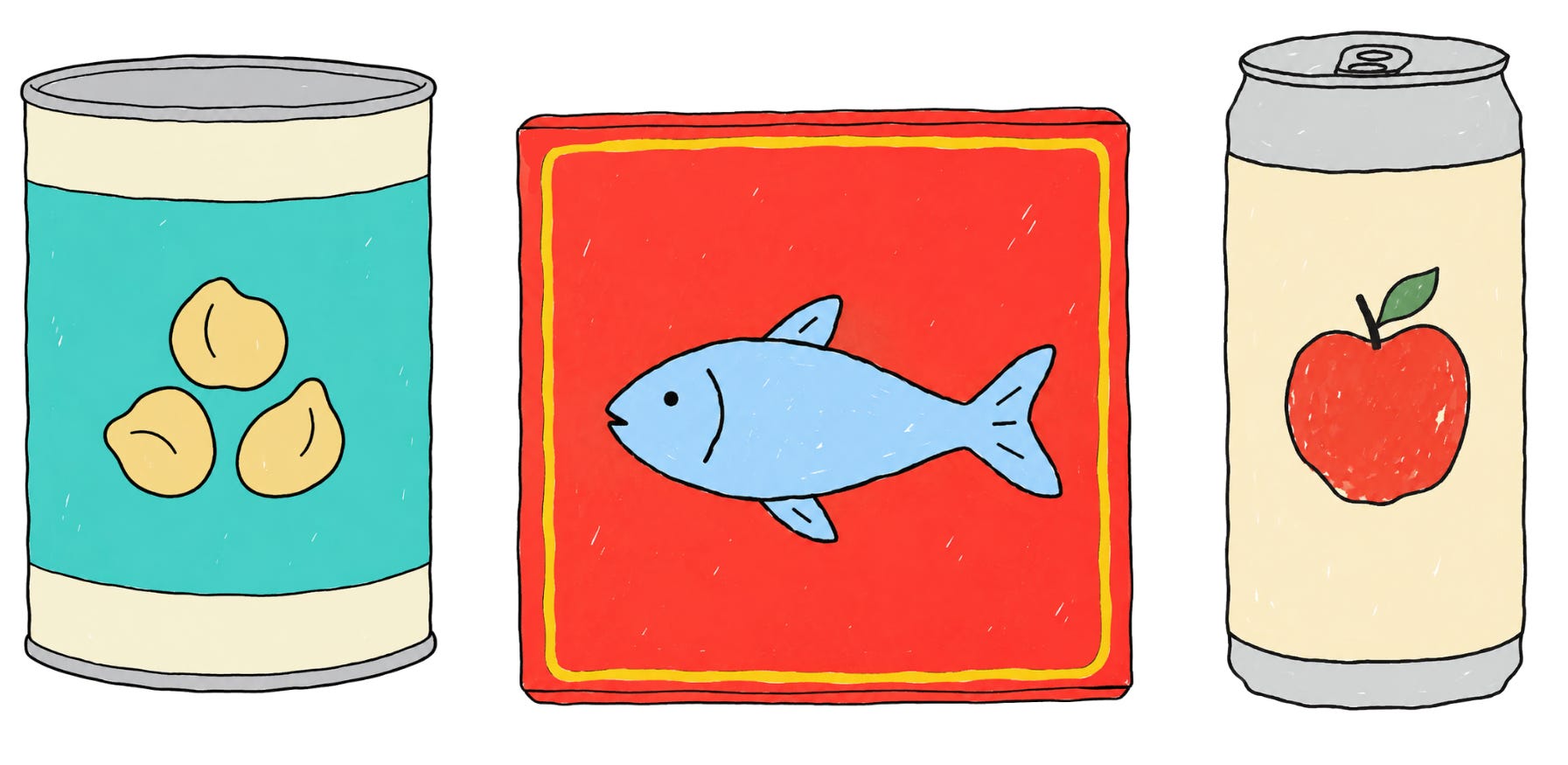
The whole point is making this grocery store more accessible, if the government has partnered with an established agency to create something equal parts affordable and aesthetic, we should not scoff at that ideal. Public policy in the US has led to beautiful public spaces for all to enjoy, should we not have the same standard for groceries?
So thoughtful. I really love this framing because it allows us to discuss the value of design for the working class.