


We keep asking ourselves why we can’t find innovation in CPG while we keep enabling the structures that don’t allow for it.
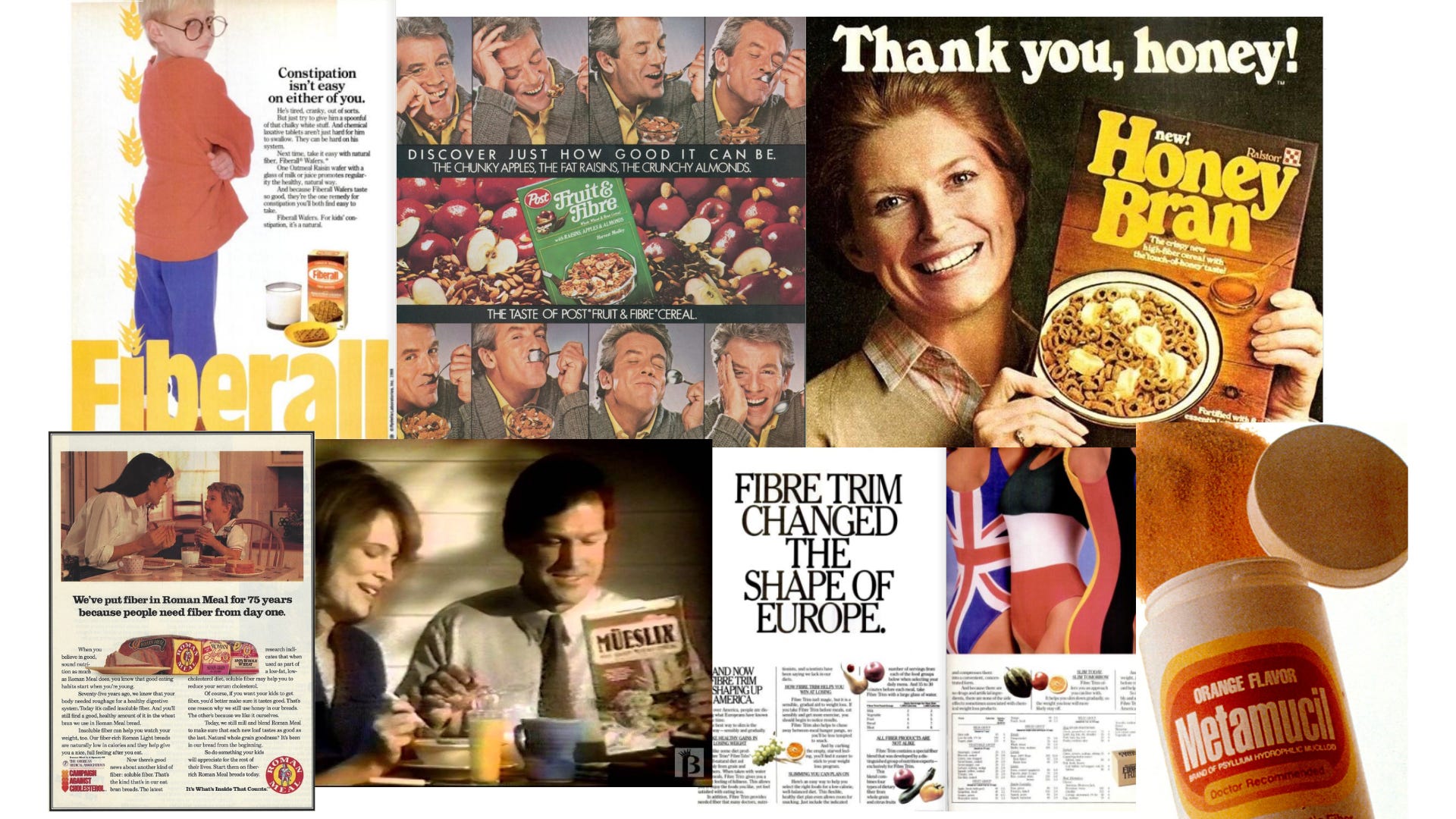
Half a decade ago—which is an insane couple of words to start this off with, I deep dived into CPG’s fascination with gut health—think of kombucha, the whole probiotic craze, and what started out as supplements offering gut improvements see Supergut and Seed, eventually morphed into prebiotic sodas, see Olipop and Poppi, what I dubbed as Millennial Metamucil.
Like protein, the presence of fiber in CPG items is not new, the narrative around it just keeps changing depending on the generational shift—people have been clamoring “fiber is the new protein for a while. And just like protein, fiber has gone through different eras, the 80s and 90s saw FiberOne and Metamucil with the 2000s being all about probiotics, Activia was inescapable. Health Ade was founded in 2012, as kombucha became the new it probiotic which eventually stalled thanks to the demonization of sugar, and thus prebiotics became the new fibre of choice. Supergut debuted around the same time as Olipop gained momemtum, happy guts became synonymous of health.
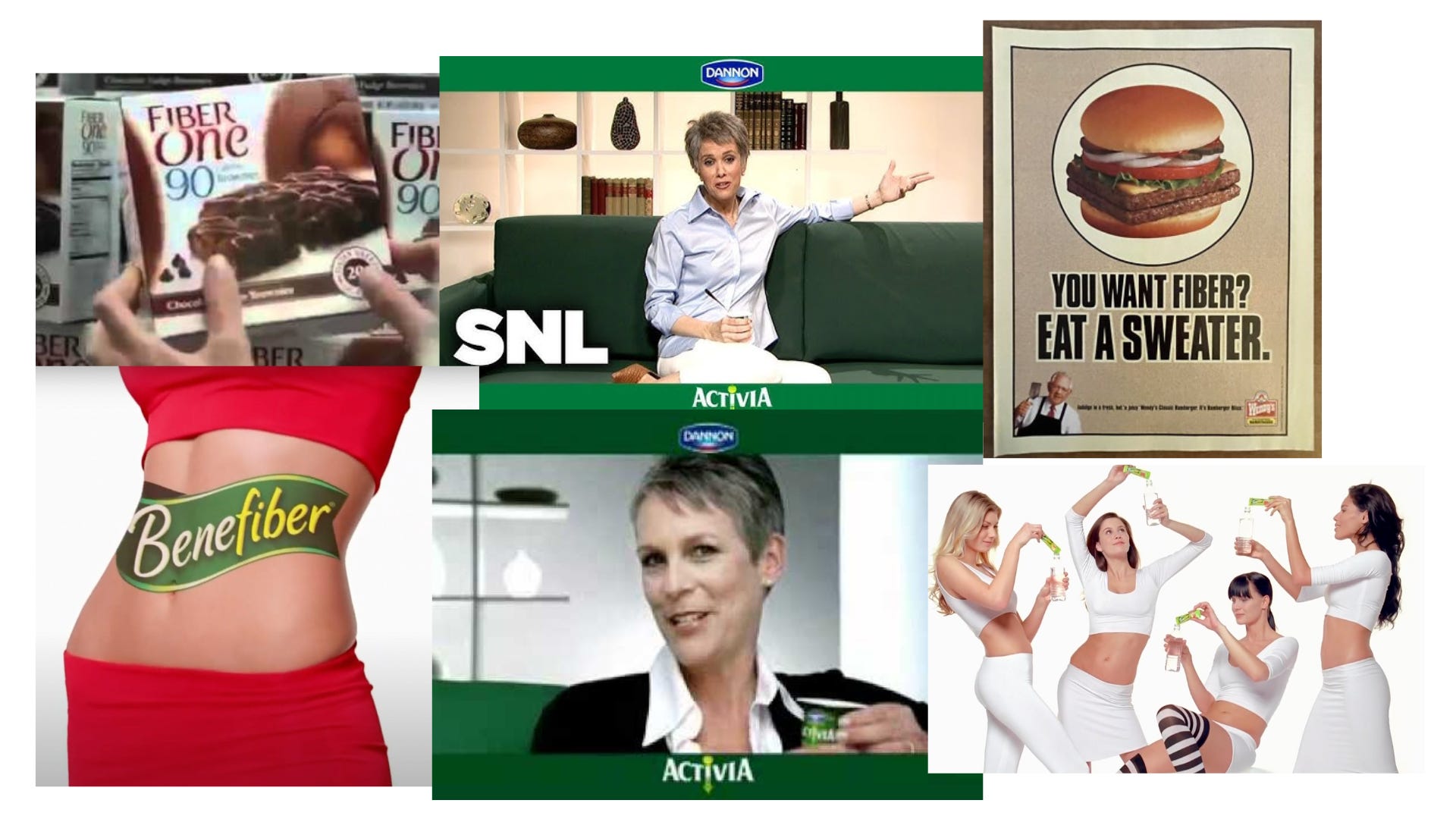
Do you think that Ozempic was the first time food makers thought fiber was a hack to aid in losing weight? 2009 saw a similar craze as more brands started adding “high in fiber” to appeal to health conscious consumers looking to lose weight while Atkins and South Beach Diet claimed to do the same with protein. Millennials may never forget the Benefiber ads that featured statuesque models with flat abs and GenX may be permanently scarred with Jaime Lee Curtis’ Activia ads, the modern version equivalent being Supergut rebranding as “Nature’s Ozempic”.
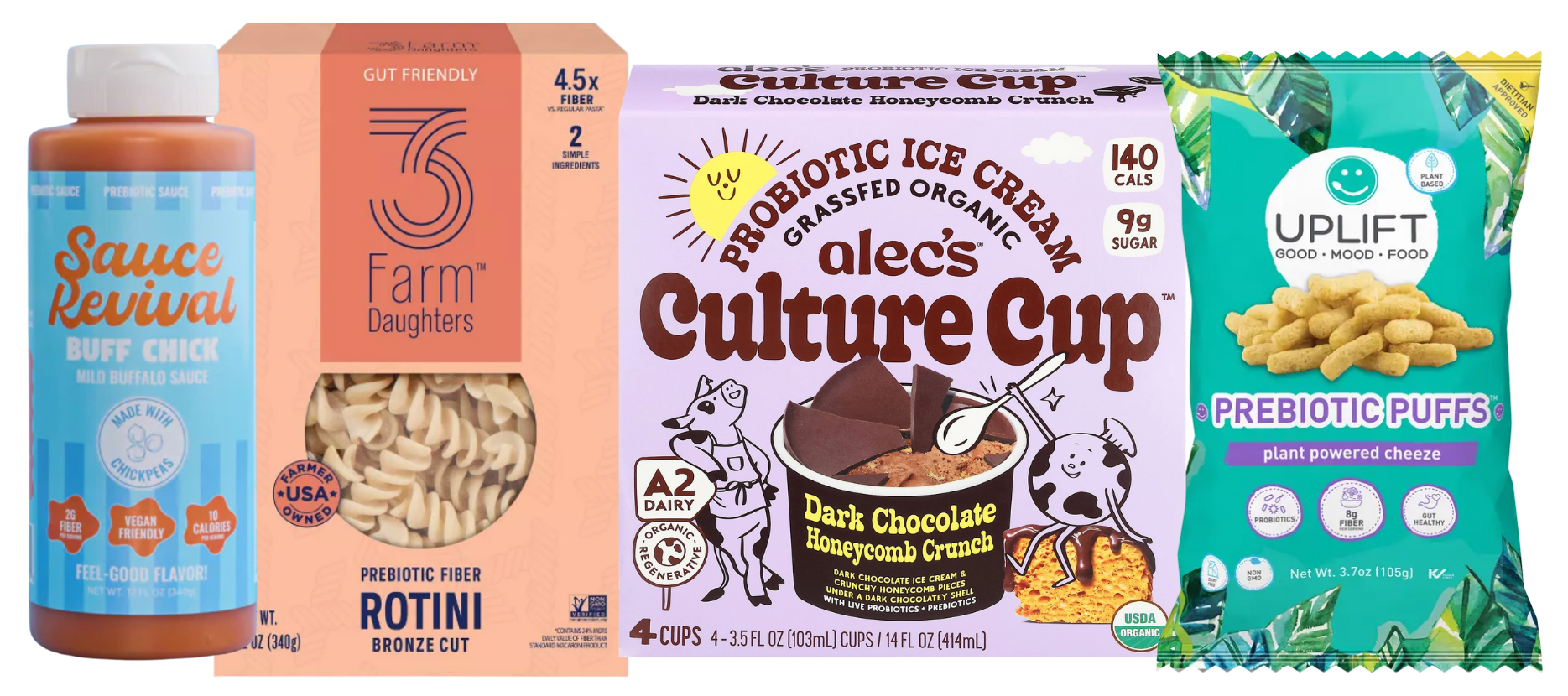
If this isn’t clicking yet, let me breakdown exactly why fiber isn’t the new protein, it’s been just a popular all along. If you walk into a grocery store right now you can easily find a few hundred fiber forward products—a simple search on Target puts you in the hundreds, Kroger features around 400 and Walmart has over a thousand products with fiber—safe to be said, in 2026 it doesn’t need as much PR as you would think. From probiotic salsa, to prebiotic pasta, there’s even fiber candy and the list goes on: prebiotic sauces, prebiotic ice cream and gelatos—they are even putting probitoics in athleisure, I’m not fucking joking.
In our piece, It’s Giving GenZ Groceries, we heralded the new wave of CPG brands being led by GenZ founders from Hot Girl Pickles to agua frescas and Sauz—their influence is becoming more palpable? Don’t believe me? Sauz has gone on to raise over $20M to scale their GenZ forward sauces, from Summer Lemon (feelings that evoke aesthetic are the new flavors) to Hot Honey Marinara and Whiney Baby, a GenZ friendly wine brand, sold to Gallo last year and their founder now works in their consumer innovation arm. While Olipop and Poppi were extremely Millennial coded waves of fiber, the instant gratification of health benefits meets pastels and adorkable fonts, their success hinged on the opportunity to take market share from dominant soda companies, where there’s been a lot of money to be gained, Pepsi ultimately bought Poppi for around $2B and launched their own prebiotic line (yeah, this is hell).
We’re now seeing GenZ’s version of it—a combination of fermentation and fartmaxxing, just look at the explosion of pickles and kimchi, combined with an elevation of what has been kind of a bland space, the luxe-fication of legumes, whether it’s beans or lentils, see Heyday and Lentiful. The problems around fiber have always been around taste (see Benefiber’s tasteless callouts in their 2000s ads) or incovenient formats, do you really want to be fully cooking those cauliflowers, legumes, etc, how long does it take to make your own damn kimchi?! This time around we’re seeing an emphasis on brands making it readily accesible for those who want to increase their intake, because no matter how many inverted food pyramids they yassify, fiber is essential at every stage of humans as we grow. It has also become an increasingly important conversation with new generations as gut health issues spike, see our Gut-tastic deep dive!

Why this clarification matters—
If you can’t stand seeing the protein-fication of everything from Poptarts to Lunchables, merely disguising themselves as “healthier options”, you may want to reevaluate what articles you share and what narrative you want to keep propagating. BigFood and even emerging brands will follow the money, considering how cut throat the grocery industry is with razor thin margins, anything to find a way to fatten those up (oh the irony!) —people kept asking me whether or not I agreed with this statement that’s being propagated everywhere and thus felt compelled to share my thoughts on it. For God sake we’re literally saying 2026 is the year of the cabbage like we’re announcing the latest Pantone color scam.
We keep seeing the media hype these narratives: eat more fucking cabbage it’s good for you and we have inverted pyramids that demand you up your intake of meat, dairy and eggs—when the more important conversations should be around whether or not the majority of people in the US have the access to quality produce in the first place. When we complain about why it’s easier to afford sugary drinks and shitty chips, we should also think about what roles we play as consumers, investors, buyers, retailers and founders in enabling this.
Though I’m afraid this reflection may already be too late—I’ve already been made aware of BigFood superbowl ads boasting fiber, it’s about to get so fucking insufferable here, just know if fiber Poptarts make it out of the lab, we are all to blame for this shit, literally.

Real fiber from whole foods is great. These fiber isolates and synthetic fibers created by the ingredient industry for easy addition to snack formulas are straight up garbage and will NOT improve your gut health, actually the opposite. Consumers are being taken for a ride.
By no means advocating for PE/VC anymore than @hydroxide, but what’s the alternative system you’d want to see? There’s not really an incentive for large food companies to innovate realistically, and consumers cook less than ever. Definitely would say whole food are the approach but like you said, consumers aren’t cooking cabbage.
I’d argue consumers sacrifice taste and texture for high protein but there’s 1M+ influencers parroting Huberman/Attia that they look past food as anything but fuel. Fiber, either from a bowl of lentils or from oat fiber extractives, is going to be something food designers have been designing around for decades.
I appreciate the approach to this post and the deep dive, I’m just keen to know what new system you’d propose?